
Pet Care Advice
Practical, vet-informed guidance on coat care, shedding, and getting your pet ready for their first groom — grooming and supplies topics only, kept tightly scoped while we build topical authority.
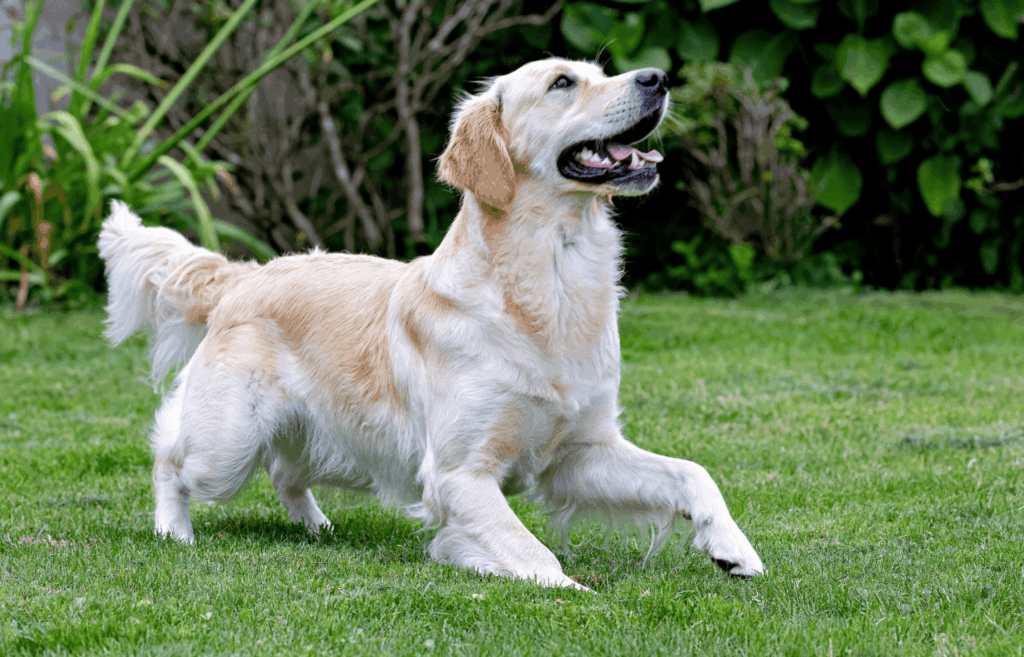
How Often Should You Groom Your Dog?
- Brush more often now. Spring and early summer is peak shedding time, and regular brushing stops mats forming close to the skin, where heat and humidity make them worse.
- Don't shave double-coated breeds. Huskies, Labs and Pomeranians have coats that insulate against heat. Shaving can cause sunburn and stop the coat growing back properly. A deshed and a tidy trim is the better choice.
- Protect pale and short-coated pets from the sun. Light-coloured dogs can sunburn on the nose, ears and belly. Ask us about pet-safe sun protection.
- Bath every 4 to 6 weeks. Dirt, sweat and pollen build up in summer. Use a gentle, pet-specific shampoo so the skin's natural oils stay intact.
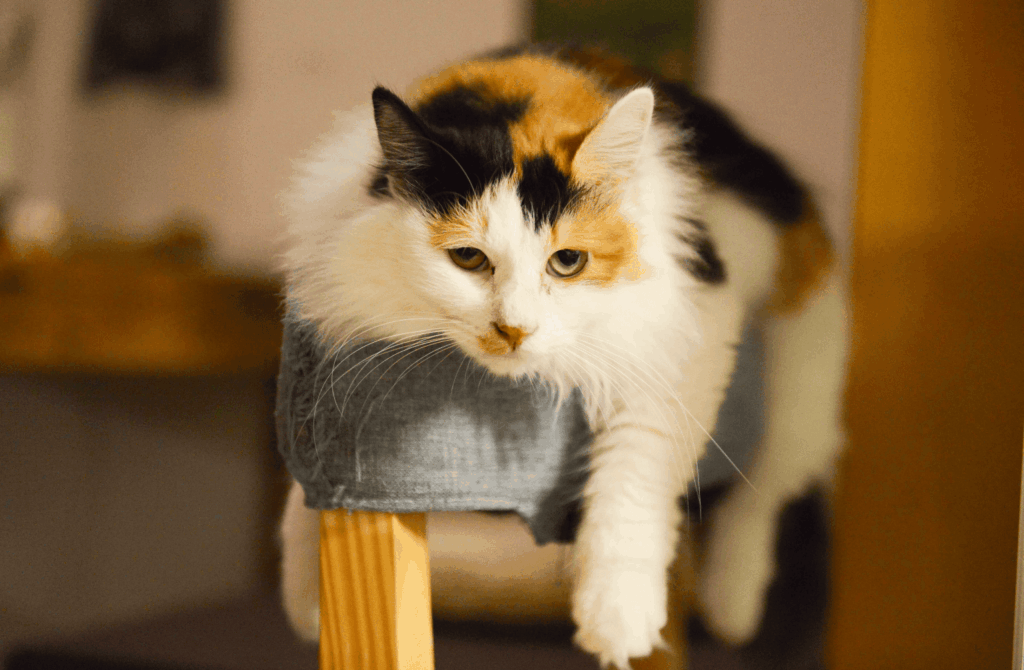
A Beginner's Guide to Grooming a Nervous Cat
- Keep water everywhere. Put out several bowls, or a fountain. Cats often drink more when the water is moving.
- Give them a cool retreat. A shaded spot, a tiled floor or a cooling mat helps. Panting in a cat is a warning sign, so call your vet.
- Brush long-haired cats daily. It reduces hairballs and keeps the coat airy and cool.
- Secure windows and balconies. Cats open windows wider for fresh air in summer. Use proper screens.
- Stay on top of fleas and ticks. Summer is peak season, even for indoor cats.
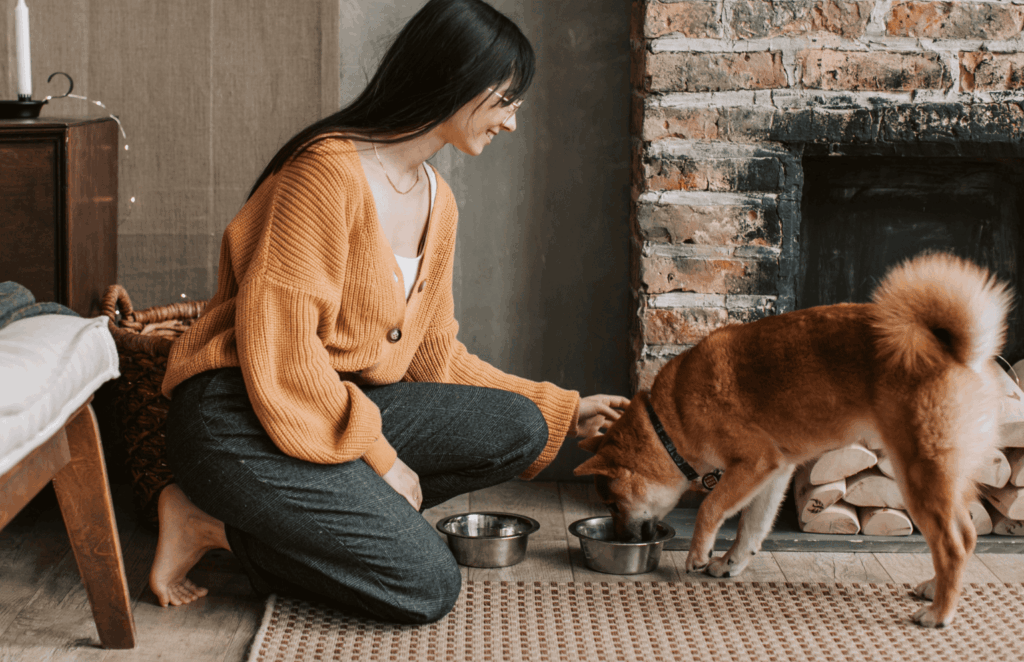
Choosing the Right Food for a Sensitive-Stomach Dog
- Never leave wet or fresh food out for long. In summer heat it spoils within about 30 to 60 minutes. Serve smaller portions and discard leftovers.
- Store kibble somewhere cool, dry and airtight. Heat turns the fats rancid and lowers the nutritional value.
- Make frozen treats. Freeze plain yoghurt, watermelon (no seeds or rind) or bone broth in ice trays or a Kong.
- Expect a smaller appetite. Pets often eat less in hot weather. Offer meals in the cooler early morning and evening.
- Keep these away from pets: grapes and raisins, macadamia nuts, avocado and mango pips, all common in SA summers.
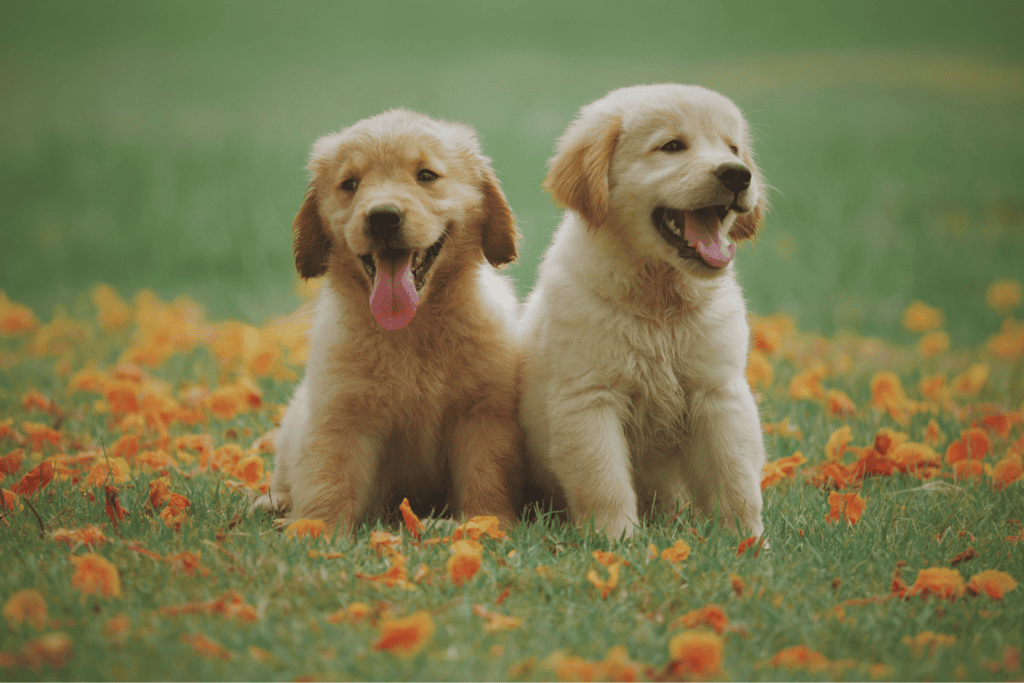
Preparing Your Puppy for Their First Grooming Appointment
- Bring the vaccination card. Groomers need to see that it is up to date, especially for puppies and kittens.
- Book a morning slot in summer. It is cooler for travel and calmer for your pet.
- Keep the last meal light. A full tummy plus excitement can lead to an upset stomach.
- Tell us about your pet's quirks. Let us know about sensitive spots, past bad experiences, skin issues or health conditions. It helps us tailor the visit.
- Try our pet taxi. It keeps the trip cool and stress-free, and you never have to leave a pet in a hot car.
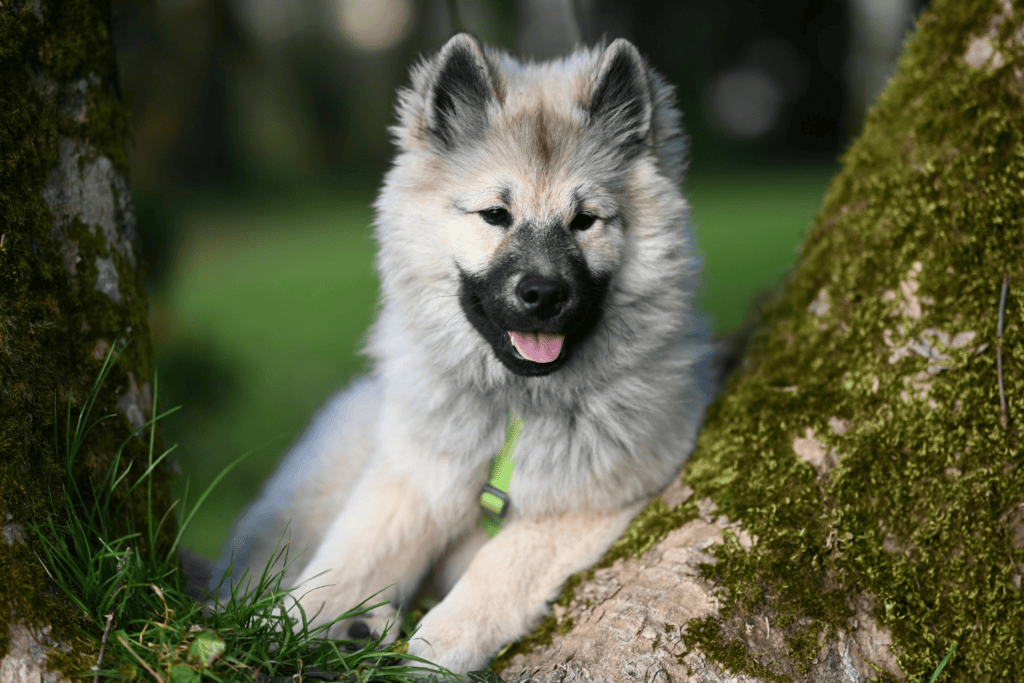
Seasonal Shedding: What Johannesburg Pet Owners Should Know
- Do the 5-second pavement test. If the ground is too hot for the back of your hand, it will burn paws. Walk early morning or after sunset.
- Watch for heatstroke. Heavy panting, drooling, bright red gums and lethargy are the signs. Flat-faced breeds like Pugs, Frenchies and Bulldogs are most at risk. Cool the pet gradually and get to a vet urgently.
- Prepare for thunderstorms. Afternoon storms can frighten pets. Give them a safe den, close curtains, and make sure microchip and ID tags are current in case they bolt.
- Check for ticks daily. Tick bite fever is a real risk in SA summers. Run your hands over the ears, armpits, groin and between the toes.
- Plan for the festive season. Guy Fawkes and New Year fireworks are coming. Start desensitising now and keep pets indoors on those nights.
- Never leave a pet in a parked car, even for a few minutes, even in the shade.